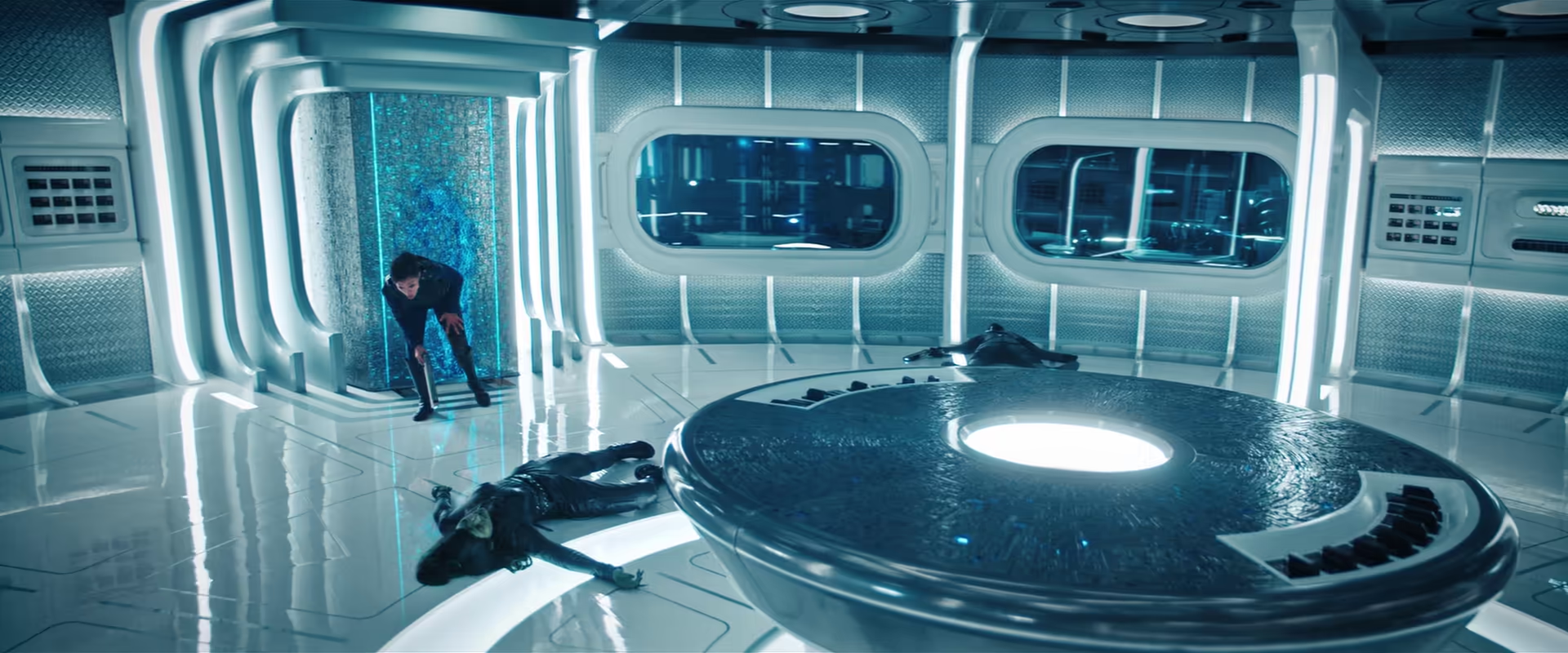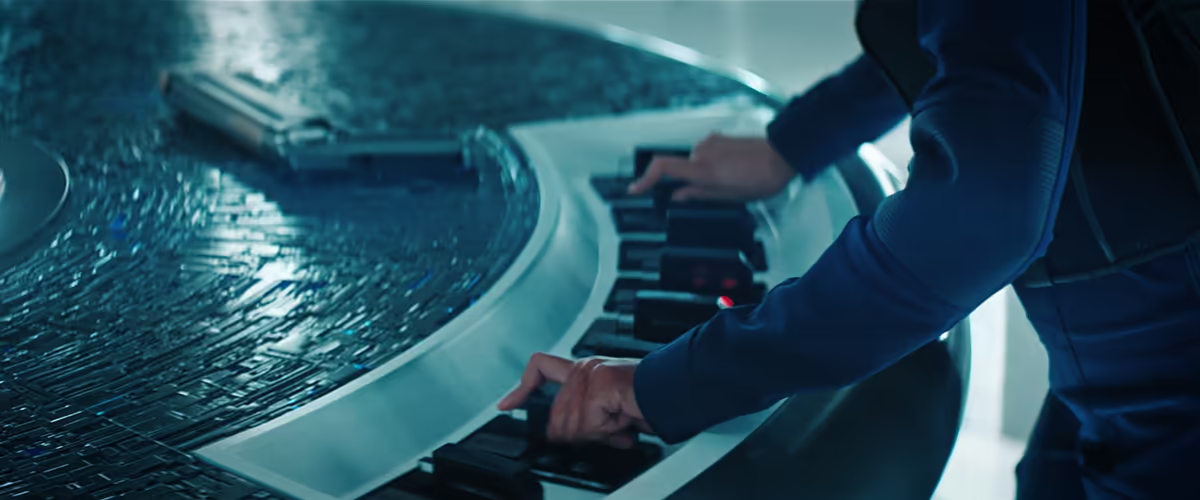
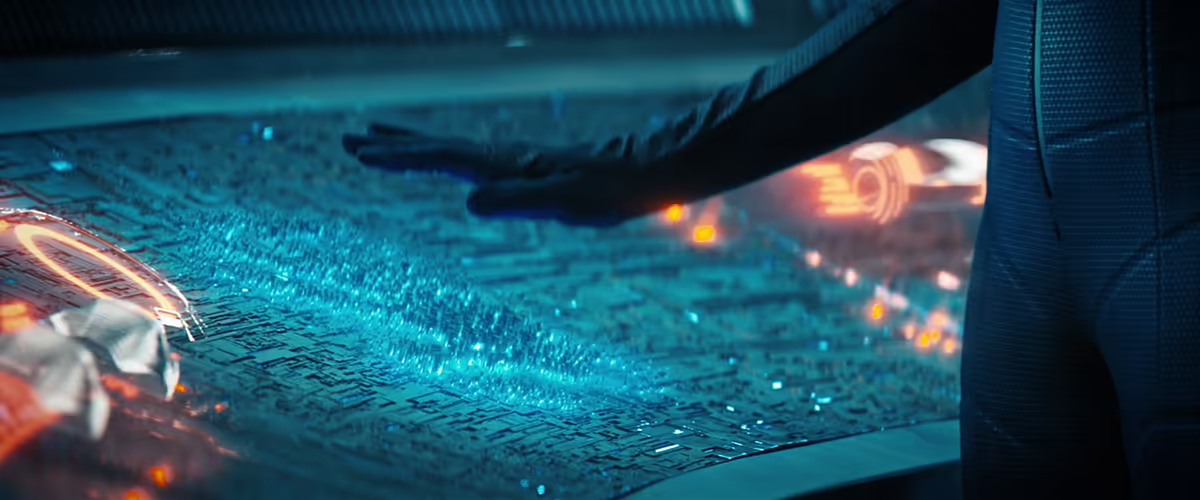
Designed in 2019 for Season 3 episodes that aired late 2020 to early 2021. As far as I’m aware, Programmable matter was the most expensive surface to manufacture, by square foot, in the entire Star Trek: Discovery series.
Several attempts had been made in the art department by the time it reached me. People would start, stop, and eventually move-on to something else.
How do you design a surface that is meant to transform into everything?
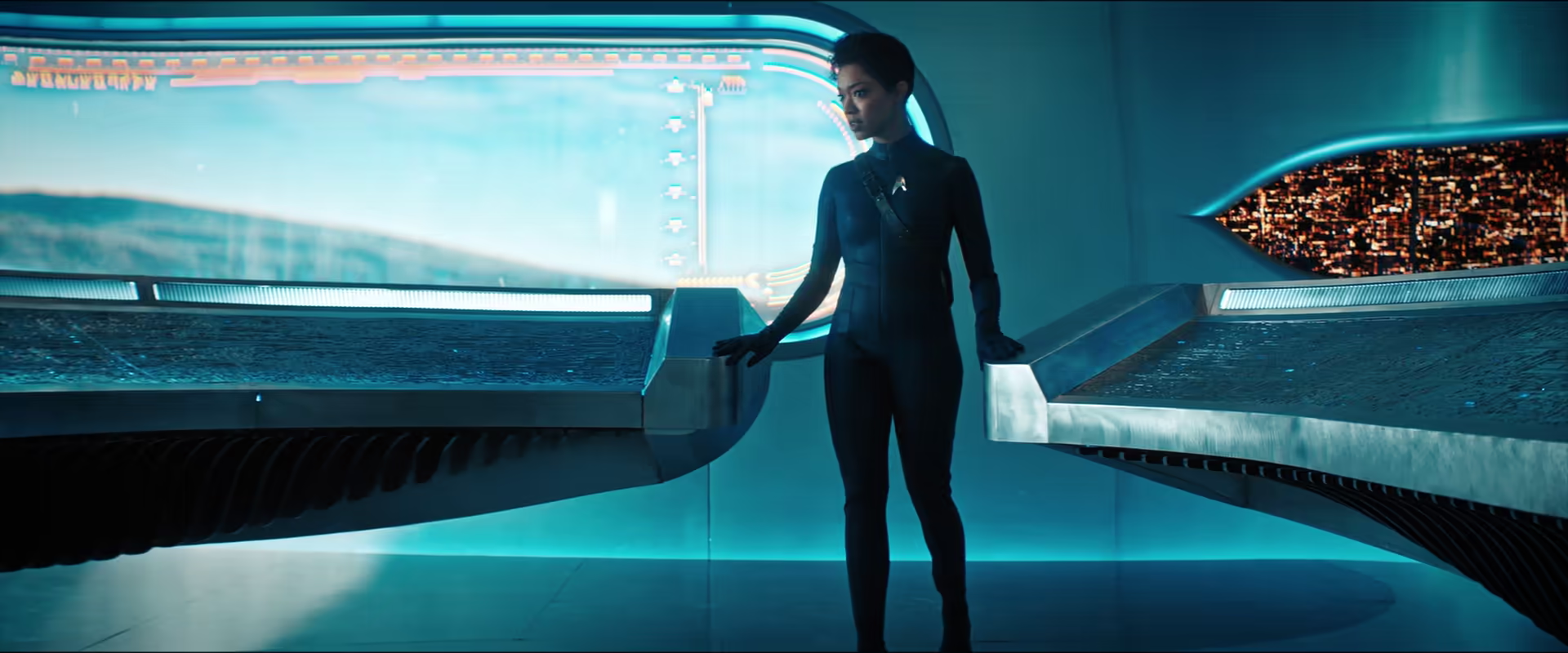
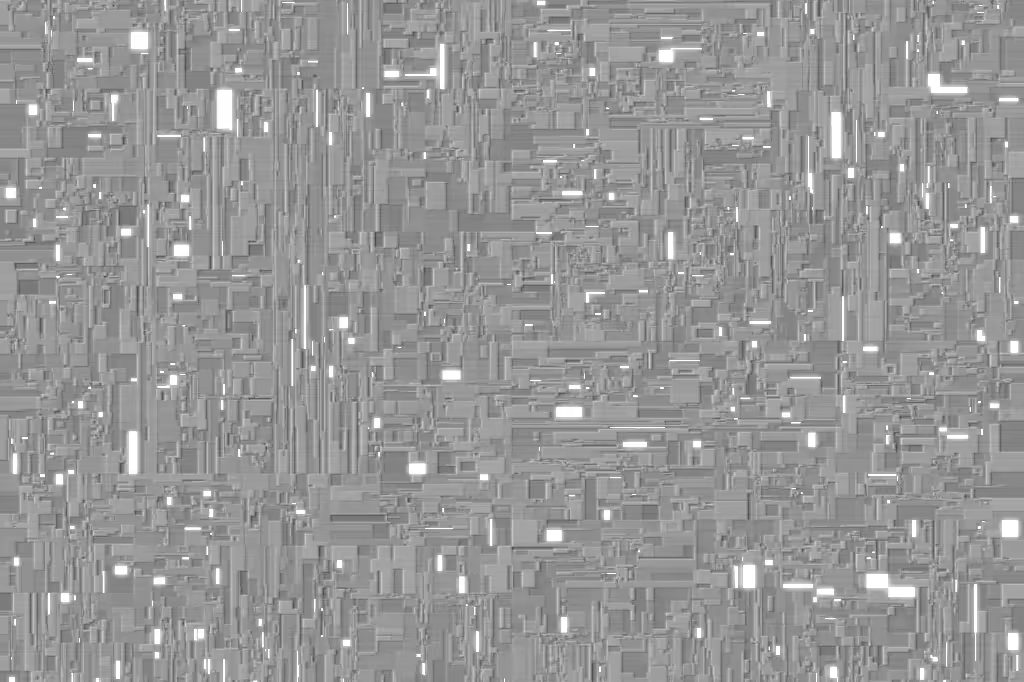
Is it just greeble?
The early design brief was to not make it look like greeble. There are two general categories of surface complexity: mechanical and organic. What stumped several designers was conveying mechanical complexity without looking like greeble. Eventually it was settled that it could look a bit like greeble so long as it was semi-transparent.
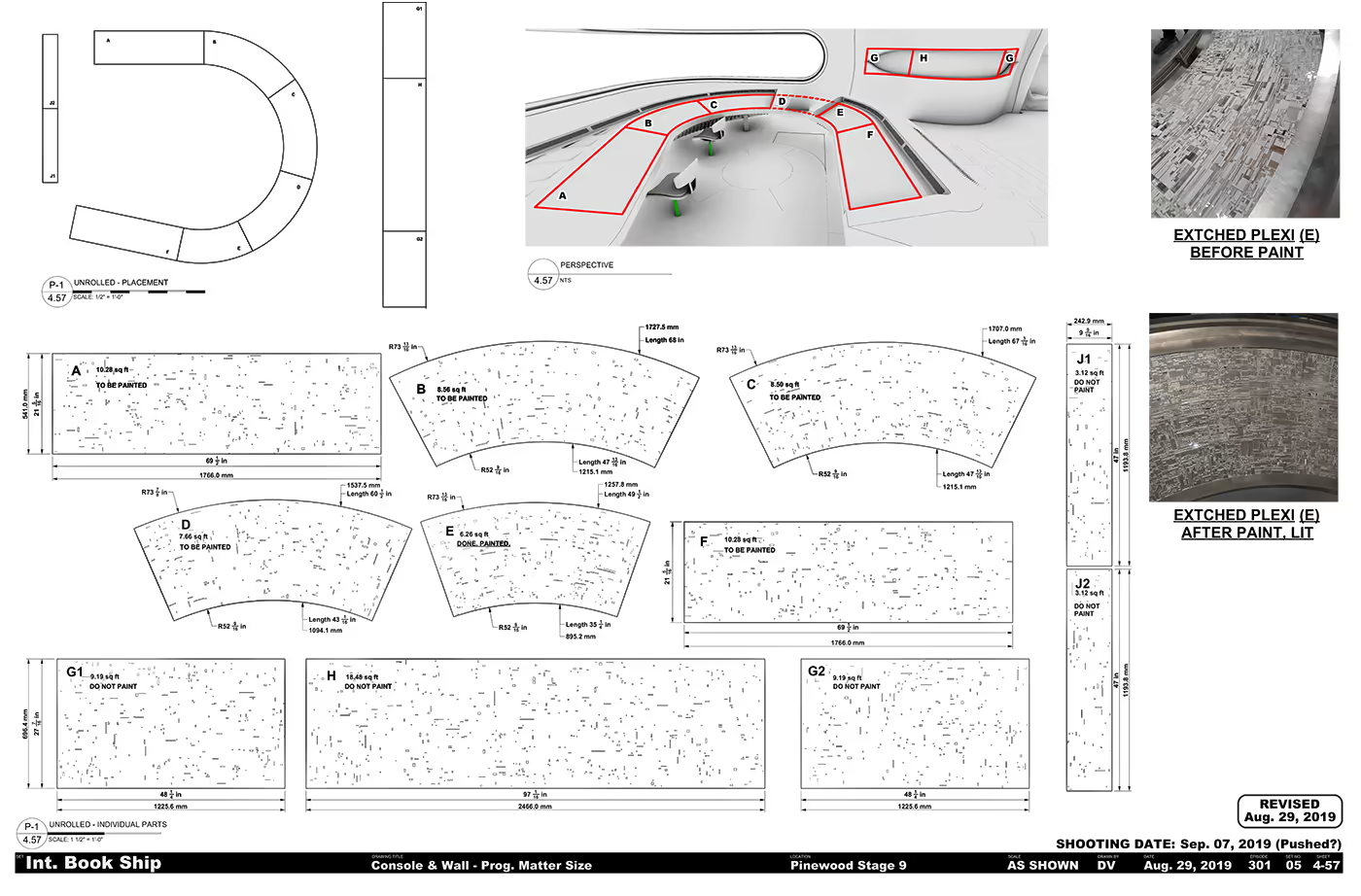
The end result ended up being a custom script that co-developed by Art Director Joshu De CArtier and I. could a 3D surface, a depth map and a cut pattern for the transparent aspects. The production designer Phillip Barker eventually settled on about 40 holes per sqft.
Manufacturing Programmable Matter.
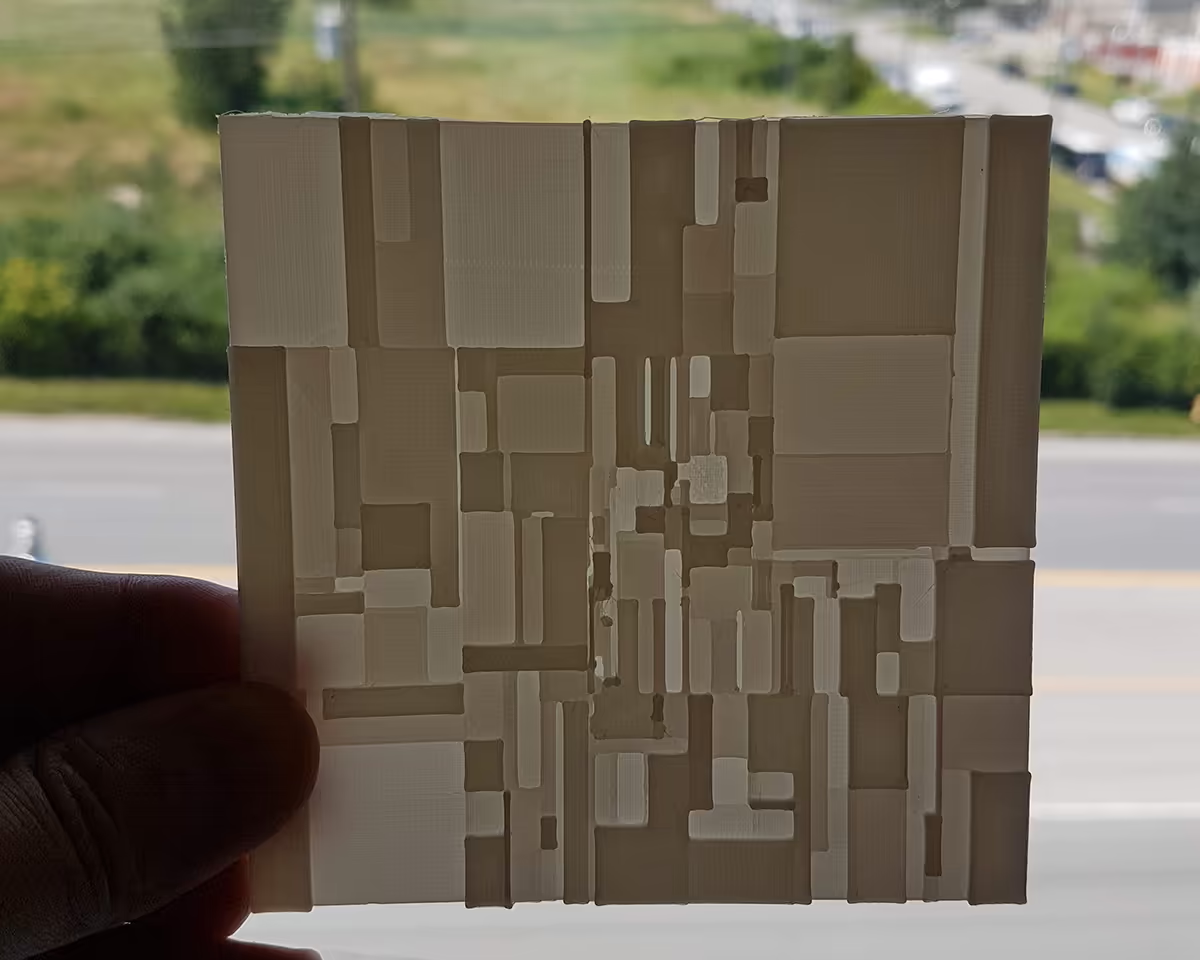
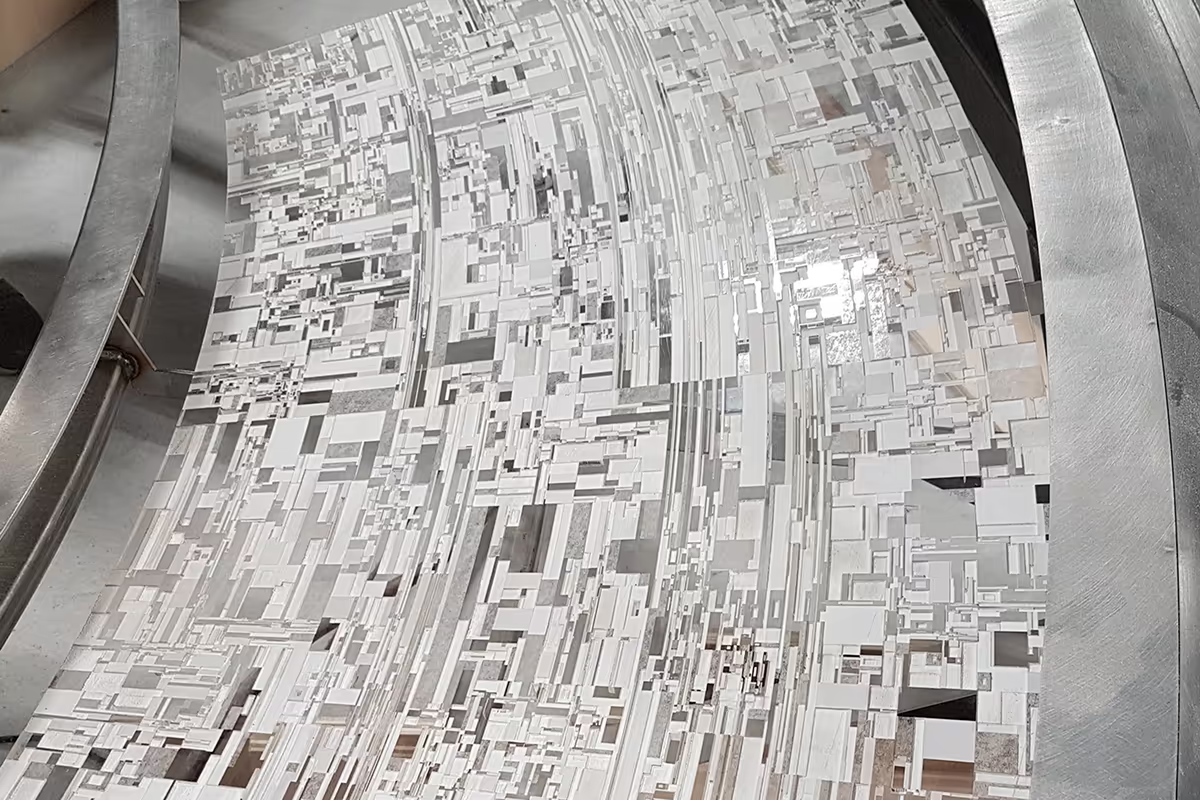
Every possible material and casting process was explored before we settled on lazer etched acrylic. The surface was too complex and draft angles cheapened the look. Casting also caused a visible tiling pattern that would be visible in a wide shot. A texture that didn’t flow with the surface didn’t look right. 3D printing in 2019 was still too slow and small-scale though some examples looked promising.
The only way to do it were unique panels that cost about $750 per square foot.
Season finale.
Michael Burnham fought Osyraa in a room with programmable matter.